Early Childhood Education glossary
Early Chilhood Education glossary
Hi! My name is Sarah-Ève Labbé and I study in Early Childhood Education. This glossary will be helpful for the other students in my field of study and for the person who wants to come in this program. In this program, there are many specific words and terms. This Glossary will make it simple for people to understand their meaning and their pronunciation.
- humanistic approach
- noun.
- A philosophical and psychological perspective that centers on human values, potential, and dignity, emphasizing free will, self-actualization, and the importance of the whole person.
- Example: Humanistic psychology considers the child as a full person who is born with a natural curiosity and desire to learn.
- en: approche humaniste
- active learning
- noun
- Active learning is a teaching and learning approach where students are actively involved in the learning process through meaningful activities like discussing, writing, problem-solving, and reflecting, rather than just passively receiving information.
- Example: Active learning is a process by which children, by acting directly on objects and interacting with people, ideas, and events, construct a new understanding of their world.
- en: apprentissage actif

- fine motor skills
- noun
- Fine motor skills are the coordination of the small muscles in the hands and fingers, working with the eyes, to perform precise and controlled movements.
- Example: In writing, children need to control their fine motor skills to write letter shapes.
- en: motricité fine

- cognitive development
- noun
- Cognitive development is the process of a person's mental abilities, such as thinking, learning, memory, and problem-solving, growing and changing with age.
- Example: Cognitive development means how children think, explore and figure things out.
- en: développement cognitif
:max_bytes(150000):strip_icc()/2795457-article-piagets-stages-of-cognitive-development-5a95c43aa9d4f900370bf112.png)
- pedagogical scaffolding
- noun
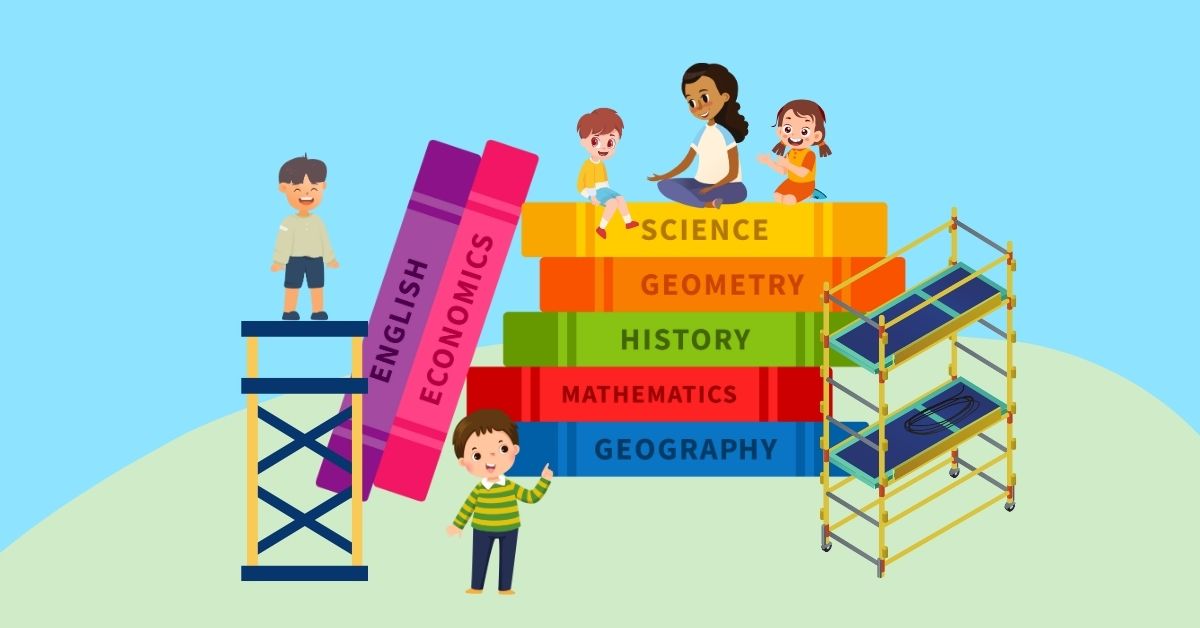
- Pedagogical scaffolding is a process by which a teacher adds supports to students in order to enhance their learning and help them master tasks.
- Example: The pedagogical scaffolding is an educational technique that uses progressive steps to lead students towards better understanding and greater independence in the learning process.
- en: échafaudage pédagogique
- gross motor skills
- noun
- Gross motor skills are physical abilities that rely on large muscle groups in the body, such as those in the legs, arms, and torso, to perform whole-body movements and maintain balance.
- Example: More specifically, gross motor skills are essential for mobility, independence and overall health.
- en: motricité globale

- Zone of proximal development (ZPD)
- noun
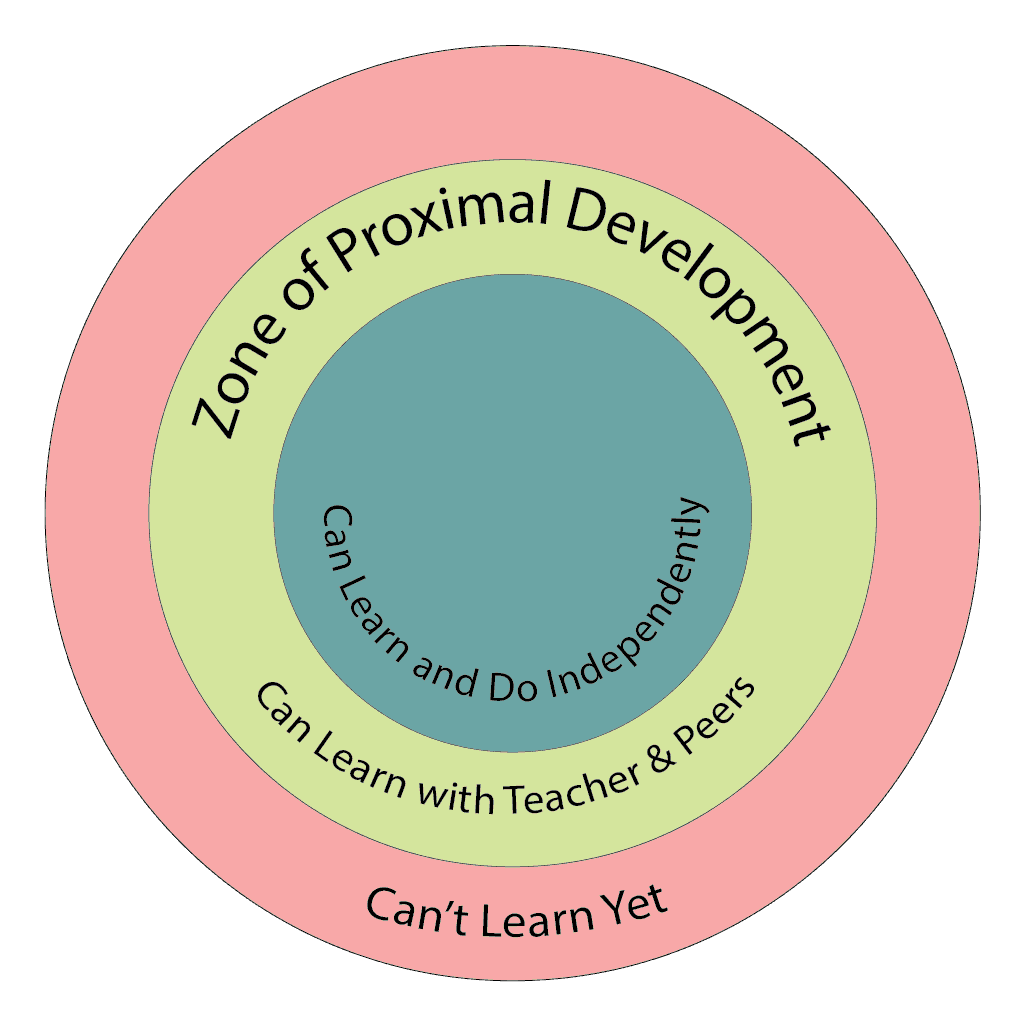
- The Zone of Proximal Development (ZPD) is the range between what a learner can do independently and what they can achieve with guidance from a more knowledgeable other.
- Example: The ZPD significantly increases a child's potential to learn more effectively.
- en: zone proximale de développement
- social-emotional development
- noun
- The growth of a child's ability to manage emotions, form healthy relationships, and make good decisions.
- Example: While these skills may sound complex, social-emotional development begins at a very young age.
- en: Développement socio-émotionnel

- self-regulation
- noun
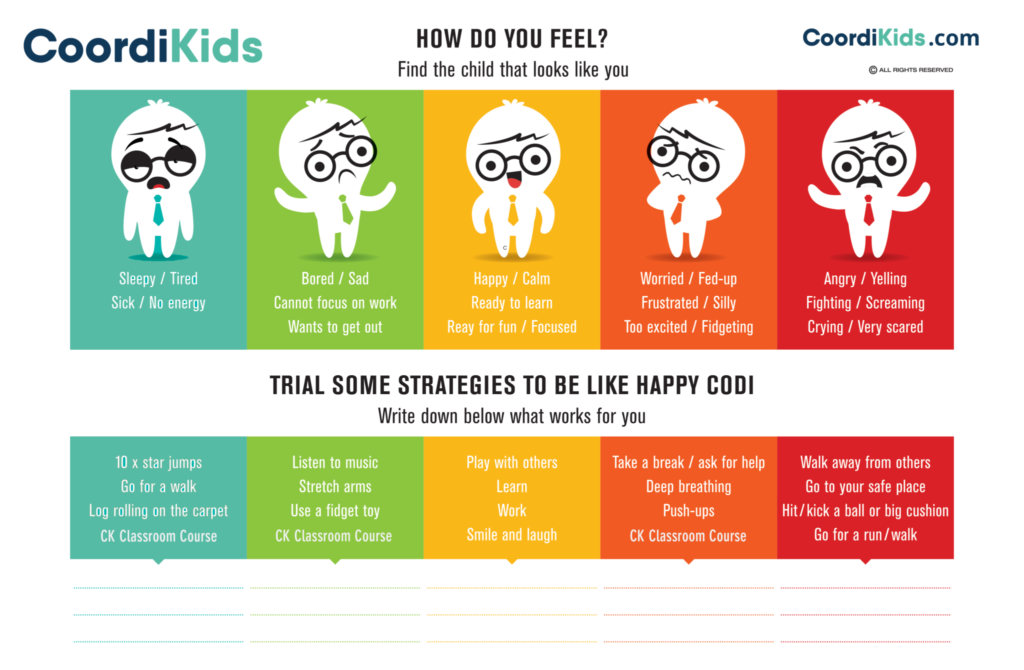
- The ability to manage your thoughts, emotions, and behaviors to achieve goals and navigate challenges, rather than reacting impulsively.
- Example: A child’s innate capacities for self-regulation are temperament and personality-based.
- en: autorégulation
- sensory game
- adjective/noun
- A sensory game is any activity designed to stimulate a child's five main senses—sight, sound, touch, taste, and smell—and also their vestibular (movement and balance) and proprioceptive (body awareness) systems.
- Example: Everyone learns differently, and sensory play is a great way to identify the individual learning styles each child has.
- en: jeu sensoriel

- ratio
- noun
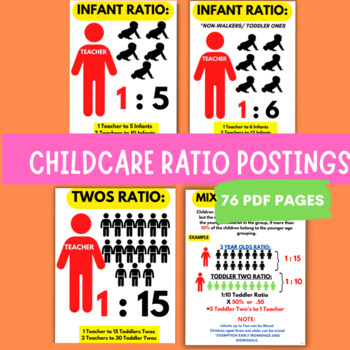
- A childcare ratio is the mandated number of adults for a specific number of children in a child care setting.
- Example: Low staff:child ratios and small group sizes help ensure children get enough one-on-one attention from their teacher or caregiver.
- en: ratio
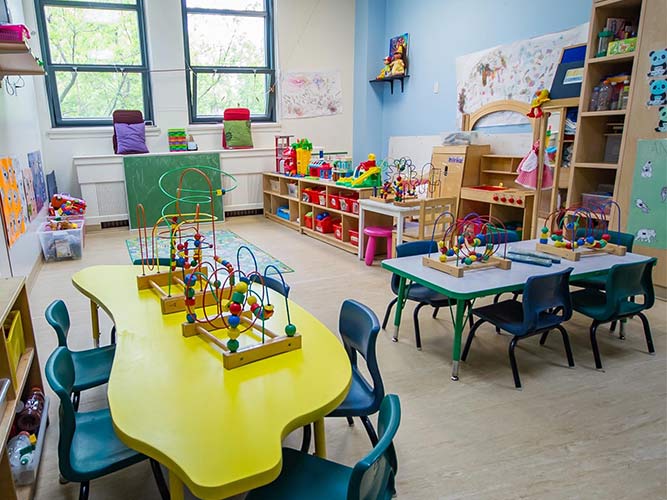
- cpe
- noun
- A CPE (Centre de la petite enfance) is a non-profit childcare center in Quebec, Canada, that provides low-cost, government-subsidized spaces for children aged 0 to 5.
- Example: CPEs operate as non-profit organizations or cooperatives.
- en: cpe
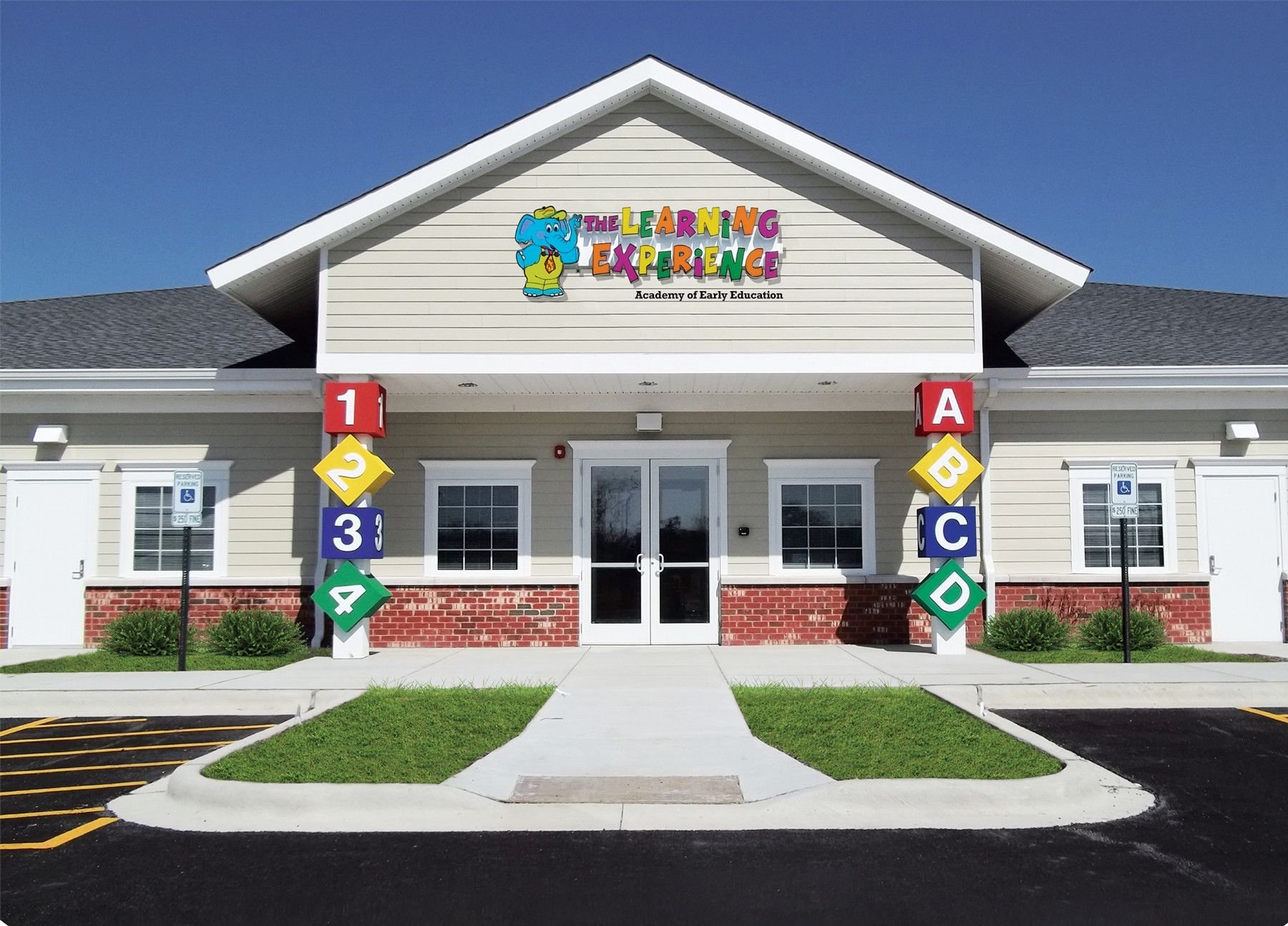
- daycare
- noun
- Commercial care center also known as daycare, are open for hours and provide a standardized and regulated system of care for children.
- Example: In a childcare center, teachers focus on the physical and mental developments of their students.
- en: garderie
- educator
- noun
- A professional who plans and implements programs for children from birth to around age 12, focusing on their physical, cognitive, social, and emotional development.
- Example: The dashboard includes contact information for each educator's administration.
- en: éducateur ou éducatrice

- educational intention
- noun
- A clear, shared statement that describes what a student should know, understand, or be able to do by the end of a lesson or learning sequence.
- Example: Educational intentions allow us to describe the effects we would like to produce with our interventions.
- en: intentions éducatives
- democratic intervention
- noun
- Democratic intervention in childcare is a multifaceted concept involving the promotion of children's rights, participation, and collective decision-making within early childhood education and care (ECEC) systems.
- Example: With babies and toddlers, it is important to adopt a democratic style of intervention at all times.
- en: intervention démocratique
- approach
- noun
- In childcare, "approach" refers to the underlying philosophy or method used to guide a child's development and learning, encompassing holistic, child-centered, progressive, or traditional models.
- Example: A child-centred approach in an ECEC context involves giving children choices of learning activities, with the teacher acting as a facilitator of learning.
- en: approche
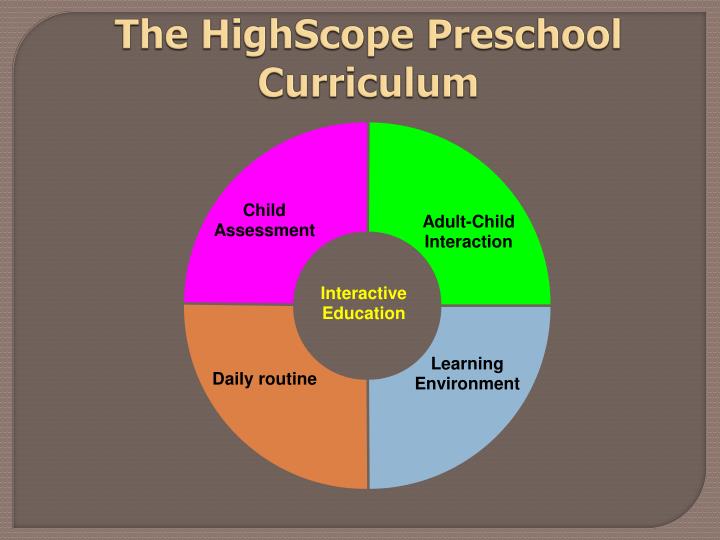
- highscope
- noun
- The HighScope method is an educational approach that emphasizes active learning and a supportive learning environment for young children.
- Example: Active learning is the heart of the HighScope approach.
- en: highscope
- sensorimotor stage
- noun
- During this stage, infants learn about the world primarily through their sensory experiences (seeing, hearing, touching) and motor activities (grasping, sucking, crawling).
- Example: The sensorimotor stage is the first of the four stages in Piaget’s theory of cognitive development.
- en: stade sensorimoteur
/2795462-sensorimotor-stage-of-cognitive-development-5b0db0bc8023b90036ee501a.png)
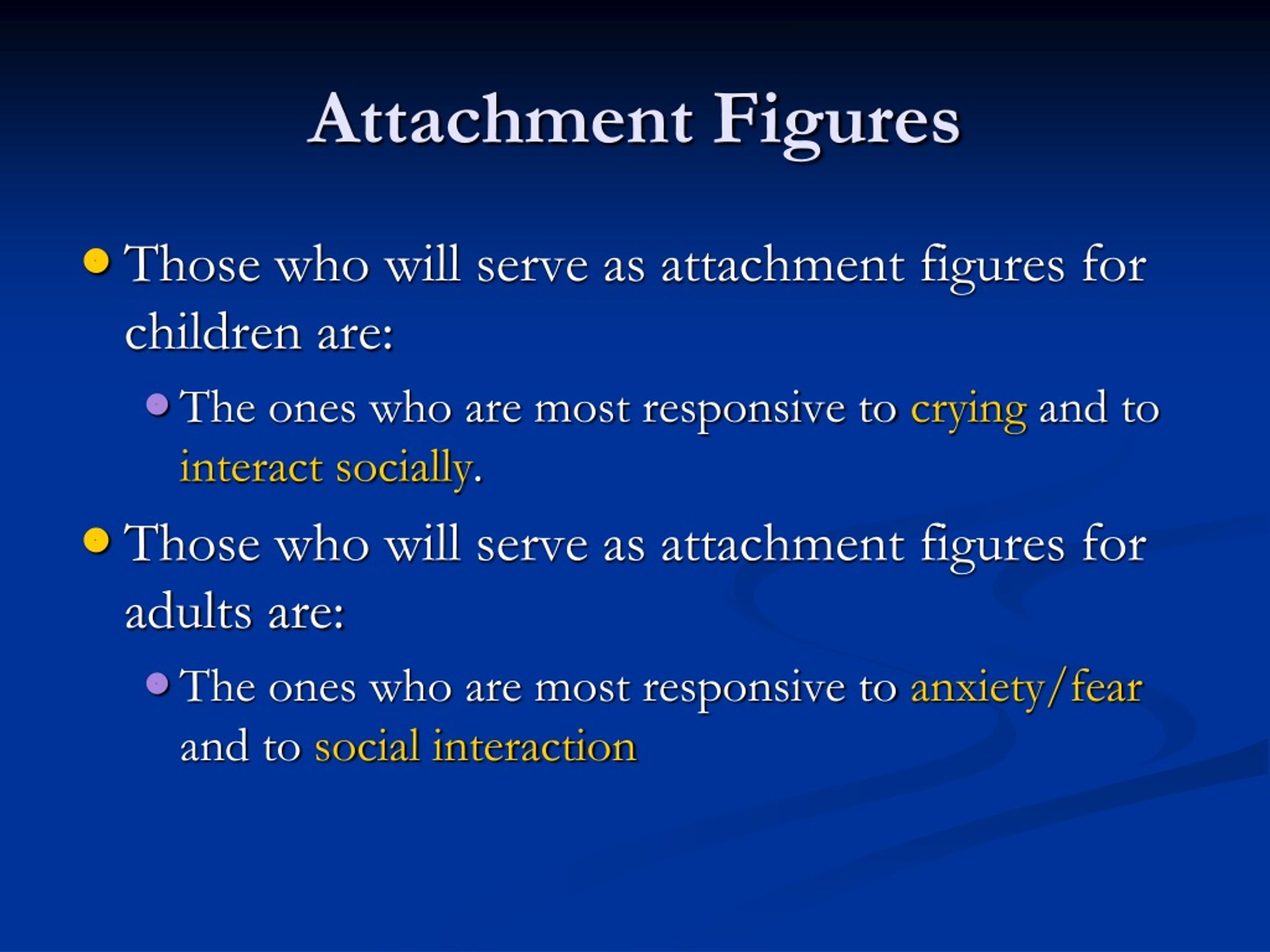
- attachment figure
- noun
- An attachment figure is a significant person in an individual's life, typically a caregiver or parent, who provides emotional support, comfort, and security, forming the basis for healthy emotional development.
- Example: Even when our attachment figures are not kind, it is possible to transform that heritage.
- en: figure d'attachement

Thank you for sharing your glossary!
ReplyDelete